
Amfexa: Complete Guide for ADHD Treatment, Dosage, Side Effects & Safety
What is Amfexa?
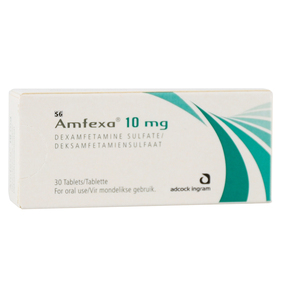
Amfexa is a prescription stimulant medication used to manage symptoms of Attention Deficit Hyperactivity Disorder (ADHD). It contains dexamfetamine sulfate, which works by enhancing brain activity in areas responsible for attention, focus, and behavior control.
For patients who struggle with concentration, impulsivity, or hyperactivity, Amfexa can be an effective part of a structured treatment plan.
How Amfexa Helps Manage ADHD
Living with Attention Deficit Hyperactivity Disorder can affect daily productivity, academic performance, and relationships. Amfexa helps by:
- Increasing attention span and focus
- Reducing impulsive behaviors
- Improving task completion and organization
- Supporting emotional regulation
Because of its fast-acting stimulant properties, many patients notice improvements shortly after starting treatment.
Recommended Dosage of Amfexa
Amfexa dosage is individualized based on patient needs and medical advice.
Typical Dosing Guidelines:
For Children (6 years and older):
- Initial dose: 5 mg once or twice daily
- Dose may be gradually increased under supervision
For Adults:
- Starting dose: 5 mg per day
- Adjusted incrementally up to 20–40 mg daily (split doses)
💡 Pharmacy Tip:
Take Amfexa early in the day to minimize sleep disturbances, and always follow your prescriber’s instructions carefully.
Common Side Effects of Amfexa
Like most stimulant medications, Amfexa may cause side effects, especially during the first weeks of treatment.
Frequently Reported:
- Decreased appetite
- Trouble sleeping (insomnia)
- Dry mouth
- Headaches
- Increased heart rate
Less Common but Important:
- Anxiety or mood swings
- Elevated blood pressure
- Heart palpitations
- Rare psychological effects (e.g., hallucinations)
If side effects persist or worsen, consult a healthcare professional promptly.
How to Manage Amfexa Side Effects
Most side effects can be reduced with simple lifestyle adjustments:
- Loss of Appetite: Eat balanced meals when hunger is strongest and include calorie-rich snacks
- Insomnia: Avoid late doses and maintain a regular bedtime routine
- Dry Mouth: Stay hydrated and use sugar-free gum
- Headaches: Ensure adequate hydration and rest
- Heart-Related Symptoms: Monitor regularly and seek medical advice if needed
💡 Pharmacy Advice: Regular follow-ups help ensure safe and effective treatment.
Other Names and Alternatives
Amfexa contains dexamfetamine, which may also be known as:
- Dexamfetamine
- Dexamphetamine (alternative spelling)
Other ADHD medications in the same category include:
- Adderall
- Vyvanse
Your healthcare provider will determine the most suitable option based on your individual needs.
Safety Information and Precautions
Before starting Amfexa, consider the following:
- Not recommended for individuals with serious heart conditions
- Avoid combining with monoamine oxidase inhibitors (MAOIs)
- Risk of dependence if misused or taken without prescription
- Regular monitoring of blood pressure and heart rate is advised
Always disclose your full medical history to your doctor or pharmacist.
Final Thoughts
For individuals diagnosed with Attention Deficit Hyperactivity Disorder, Amfexa can significantly improve focus, behavior, and overall quality of life when used responsibly.
A combination of medication, lifestyle adjustments, and professional guidance offers the best outcomes.